Service territory lookups for utilities and local service providers
Who serves this address, and who should handle this request? We build the lookup that answers both, so customers reach the right team the first time.
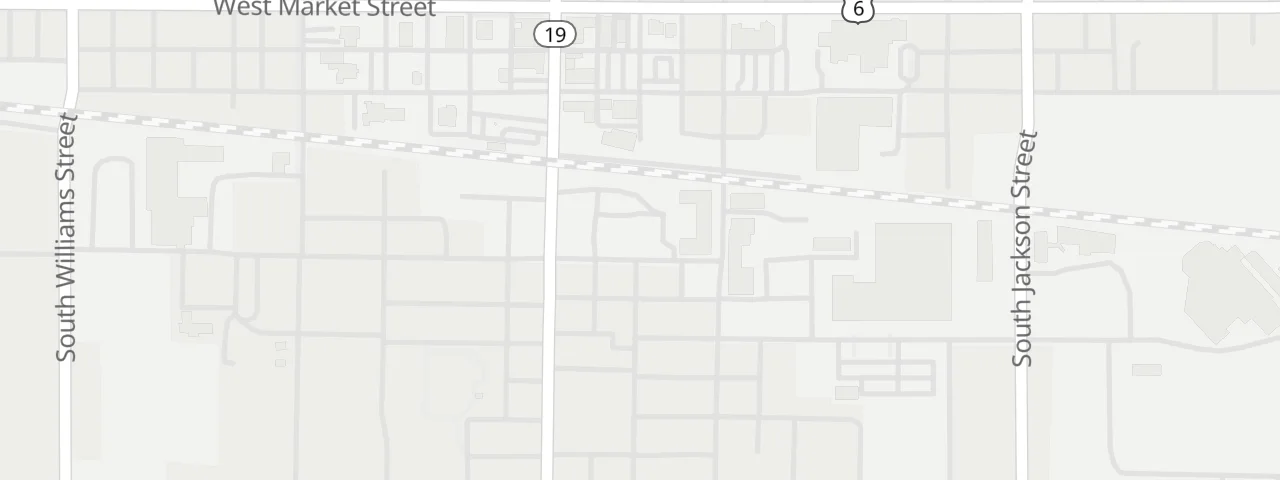
You’re in the North service area.
Your request will go to the right local team.
Sound familiar?
- Customers contact the wrong office because territory lines aren’t obvious.
- Staff forward requests between departments by hand.
- Program eligibility depends on location, and customers can’t tell if they qualify.
What we can build for utilities & local services.
Every project is scoped around your business. These are the pieces teams in this space ask for most, and you only pay for the ones you use.
- 01
Service territory lookup
Customers enter an address and see whether they’re in your service territory.
- 02
Request routing
Send each request, from new service to repairs, to the right district or office based on location.
- 03
Location-based programs
Show which programs, rebates, or options apply at an address, and which don’t.
- 04
Fee and rate zones
Display the correct fee schedule or rate zone for the customer’s location.
- 05
Jurisdiction lookup
Tell residents which department, district, or jurisdiction handles their address.
- 06
Start and stop service requests
Collect new-service requests already tied to a validated address and territory.
- 07
Out-of-territory handling
Redirect addresses outside your territory to the right provider or information.
- 08
Demand and request insights
See where requests cluster to inform planning, with the caveat that requests are signals, not guarantees.
How it works for utilities & local services.
- 1
Customer enters an address
A search on your site with address suggestions.
- 2
We check territories and zones
The address is matched to your service territories, districts, and program areas.
- 3
They see what applies
Territory, programs, and the right contact or form appear.
- 4
The request goes to the right team
Requests arrive routed by location, with the address attached.
What we set up with you.
You bring your business knowledge and your service data. We handle the technical side, and you review real test addresses before anything goes live.
- Service territory, district, and program boundaries
- Rules for which programs and fees apply where
- Routing rules for each request type
- Wording for in-territory and out-of-territory results
- Notifications and where requests are sent
Questions about utilities & local services tools.
How does a utility service territory lookup work?
A customer enters an address, it’s converted to a precise location, and that location is compared against your territory boundaries. The result shows whether you serve it and what applies there.
Can requests be routed to different offices?
Yes. Routing rules can send each request type to a district or office based on the address.
Can it show location-specific programs or fees?
Yes. Programs, rebates, or fee schedules can be tied to areas and shown only where they apply.
Does it replace our customer system?
No. It handles the customer-facing address lookup and request intake. Connecting to your customer or work-order systems is a separate, scoped project.
Who maintains the boundaries?
You provide or approve them, and we load them in. Small updates are part of ongoing care, and large boundary work is scoped separately.
How much does it cost?
Every project gets a fixed written price before work begins. Example projects start at $995, and you can have MillerGeo manage it or have it handed off to your team. See the pricing page for the full breakdown.
How accurate are the results?
Results are only as accurate as the boundary data behind them. We validate with representative test addresses before launch and agree how edge cases should be handled.
Let’s talk about your utilities & local services project.
Tell us how location shapes what your customers can get. We’ll tell you honestly whether and how we can help, and what it would cost.